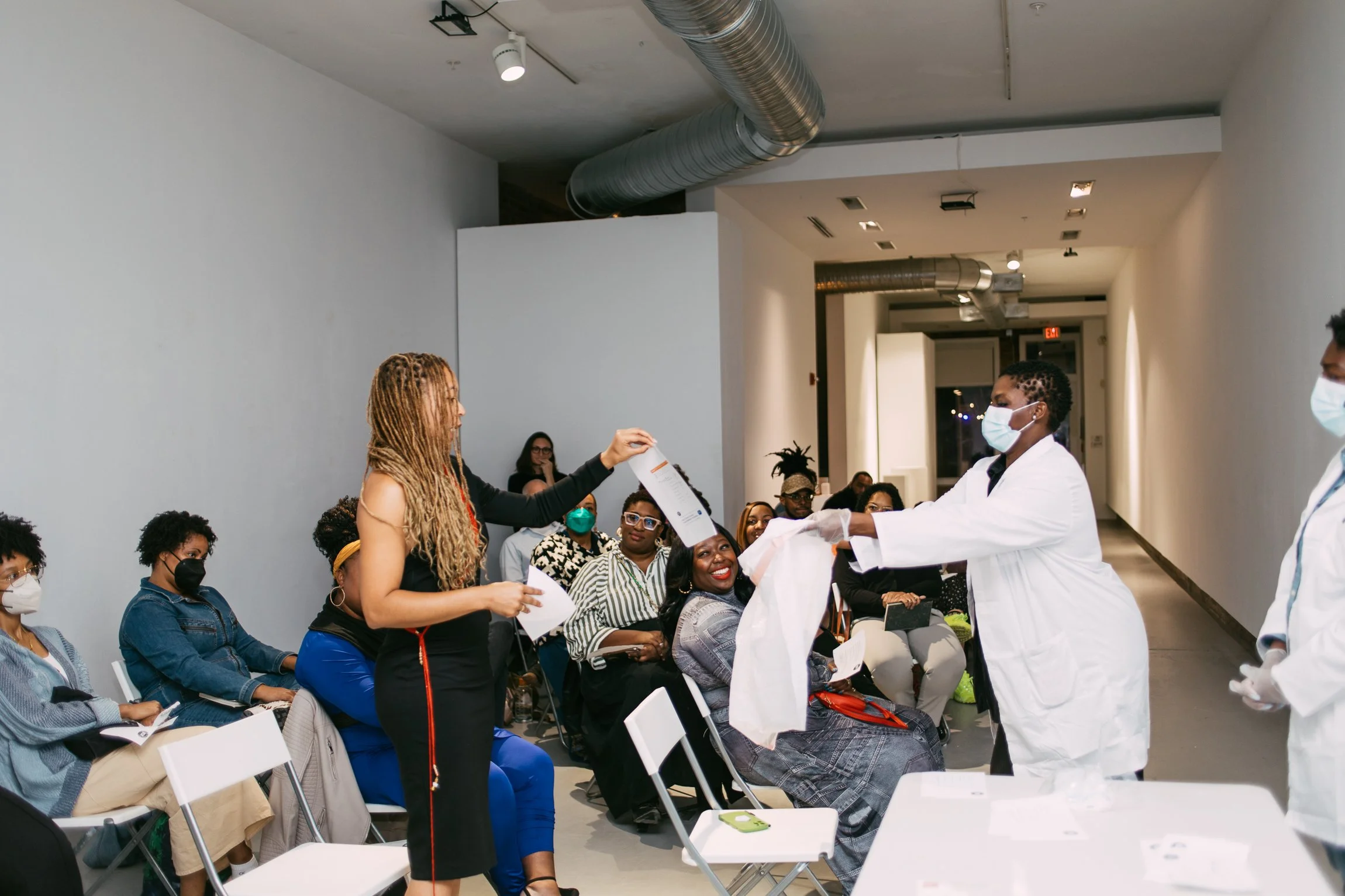
The Colonizer’s Trash:
On What’s Mine & What’s Not.

ITEM #T001 : "Kodak Photo of me and my family in Cote d’Ivoire" (1991)
-
This is not trash; this is my last photo in Côte d’Ivoire before we moved to Maryland. It was taken about 30 years after independence from the French, at the Félix Houphouët-Boigny International Airport. I start here because the mentality behind our departure is rooted in this photo and the inferiority complex that colors it.
We couldn’t stay where we were born because it felt empty—no money, no education, no goodness. All those things seemed to be in places filled with whites who didn’t want us there. Nonetheless, we felt compelled to chase after all the good stuff. We joined the millions of Africans who left the continent in 1991, working at Holiday Inn, relying on food stamps, and navigating new versions of racism, colorism, and xenophobia.
But it would all be worth it because, in America, money was God. And God is good!
-
MENTAL INFERIORITY
The deliberate conditioning of colonized peoples to internalize beliefs of their inferiority through language and education. This systemic process uses language and curricula designed to undervalue indigenous knowledge and cultures, fostering a sense of inadequacy and dependency. Imposing foreign educational standards and ideals perpetuates a cycle of self-doubt and diminished self-worth among the colonized, reinforcing the dominance of the colonizer’s worldview.
-
This trash may blur your sense of home.

ITEM #T002 : "Apple iPhone 14; Apple Earphones Gen. 4; Apple iPad Gen. 10" (2023, 2020, 2019)
-
"I am not impressed by technology as long as it is dependent upon analog exploitation of the people in the Congo" - Saul Williams
-
CAPITALISM / CONSUMERISM
A religion built on the relentless pursuit of profit, where human worth is often measured by material possessions, and success is equated with consumption. This category highlights the violence, exploitation, and environmental destruction inherent in consumer-driven economies. The insatiable demand for more—more products, more resources, more wealth—leads to a cycle of overproduction and waste that benefits the few while exploiting the many.
-
This trash may cause an Instagram addiction.
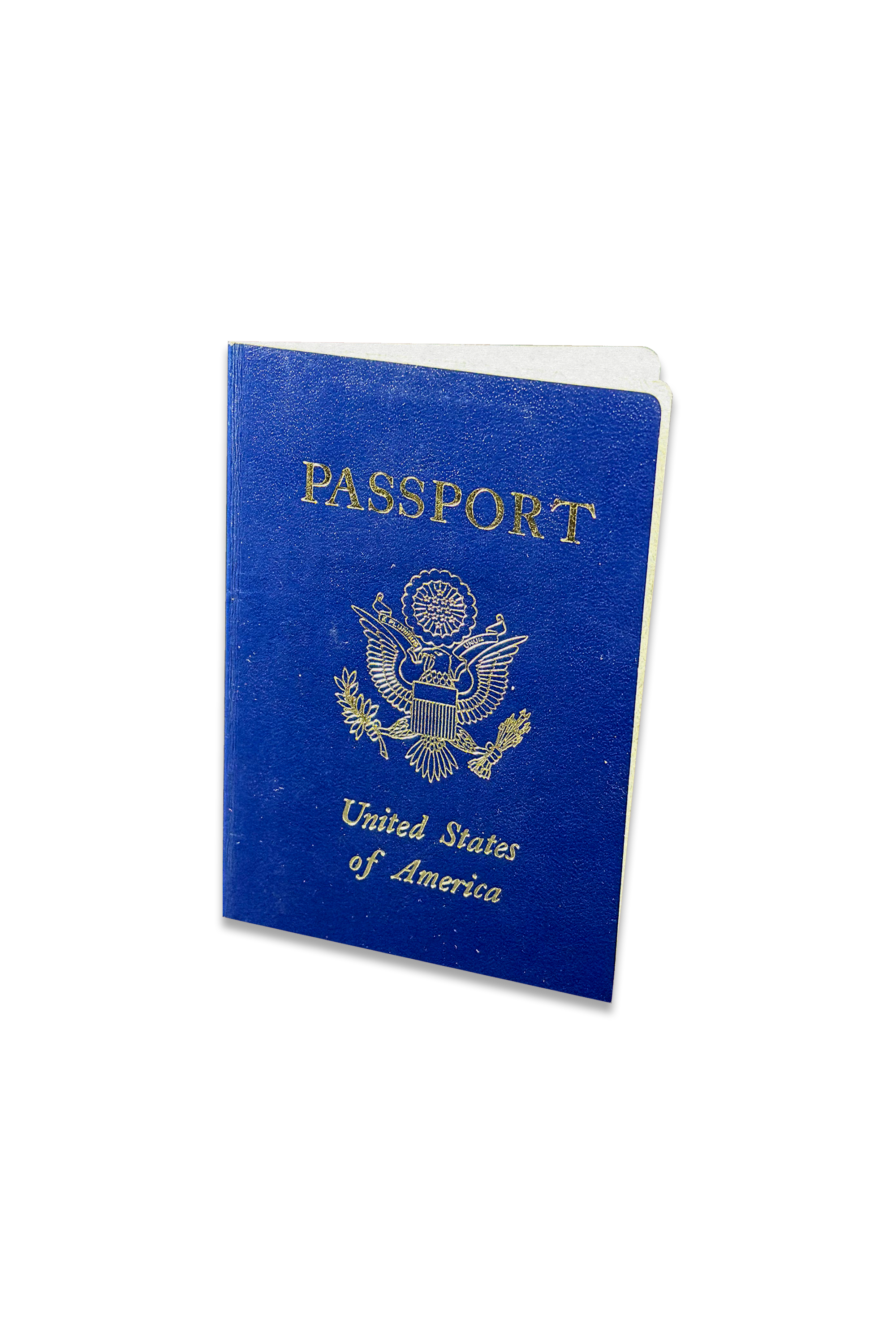
ITEM #T003 : "An American Passport" (2010)
-
It took me over 15 years to hold a blue passport—a good passport. When I finally got it, the days of fighting with various American institutions for access or protection were gone, along with the series of embarrassing social events that come with a queer immigration status. The blue passport marked me as good enough to move through the world without being policed by visas, cartes de séjour, and various pieces of white paper.
With a green passport, I was an Ivorian—a person from a developing, third-world, or shit-hole country. No one wants people like us in their clean, white cities, stealing all their social securities and selling our bodies. A green passport meant you arrived somewhere to take, steal, and exploit; a blue passport meant you had proven yourself safe, smart, and upstanding enough to contribute. So, welcome to the other side.
-
CAPITALISM / CONSUMERISM
A religion built on the relentless pursuit of profit, where human worth is often measured by material possessions, and success is equated with consumption. This category highlights the violence, exploitation, and environmental destruction inherent in consumer-driven economies. The insatiable demand for more—more products, more resources, more wealth—leads to a cycle of overproduction and waste that benefits the few while exploiting the many.
-
This trash may cause a false promise of freedom.

ITEM #T004 : "Georgetown University Master’s Degree" (2013)
-
We were taught to master their language so well that we forgot the power of our tongues; in their words, we found degrees, but in ours, we lost our freedom.
-
MENTAL INFERIORITY
The deliberate conditioning of colonized peoples to internalize beliefs of their inferiority through language and education. This systemic process uses language and curricula designed to undervalue indigenous knowledge and cultures, fostering a sense of inadequacy and dependency. Imposing foreign educational standards and ideals perpetuates a cycle of self-doubt and diminished self-worth among the colonized, reinforcing the dominance of the colonizer’s worldview.
-
This trash may cause a “rise and grind” mindset.

ITEM #T005 : "Receipts from Louis Vuitton, DIOR, and Gucci" (2021)
-
Luxury peddlers and predators tell us that our purchasing power is our personal power, which must be limitless in our pursuit of self, love, and community.
They scream at us in French: 'Do not limit yourself when seeking an abundant life, because by wearing the right labels and carrying the right bag, you'll show that you have taste, that you are special, and that you are needed! Don’t you want people to love you?! Don’t you want to be over THERE?'
So, we bought the delusion and the bag(s).
-
CAPITALISM / CONSUMERISM
A religion built on the relentless pursuit of profit, where human worth is often measured by material possessions, and success is equated with consumption. This category highlights the violence, exploitation, and environmental destruction inherent in consumer-driven economies. The insatiable demand for more—more products, more resources, more wealth—leads to a cycle of overproduction and waste that benefits the few while exploiting the many.
-
This trash may cause a 450 credit score.

ITEM #T006 : "Holy water; rosaries; French prayer pamphlet" (1995 - 2023)
-
"The white man is very clever. He came quietly and peaceably with his religion. We were amused at his foolishness and allowed him to stay. Now he has won over our brothers, and our clan can no longer act like one. He has put a knife on the things that held us together, and we have fallen apart.” Things Fall Apart, Chapter 20, pg. 152 (Chinua Achebe)
-
SPIRITUAL ERASURE
The systematic suppression of Indigenous and African spiritual practices by colonial forces, often replaced with Christianity or other religions tied to colonial power. This category addresses the loss and distortion of spiritual traditions, leading to disconnection and religious imposition. It critiques the colonizers' attempt to control not just land and bodies but also the spiritual lives of the colonized.
-
This trash may wash away your spirit along with your “sins.”
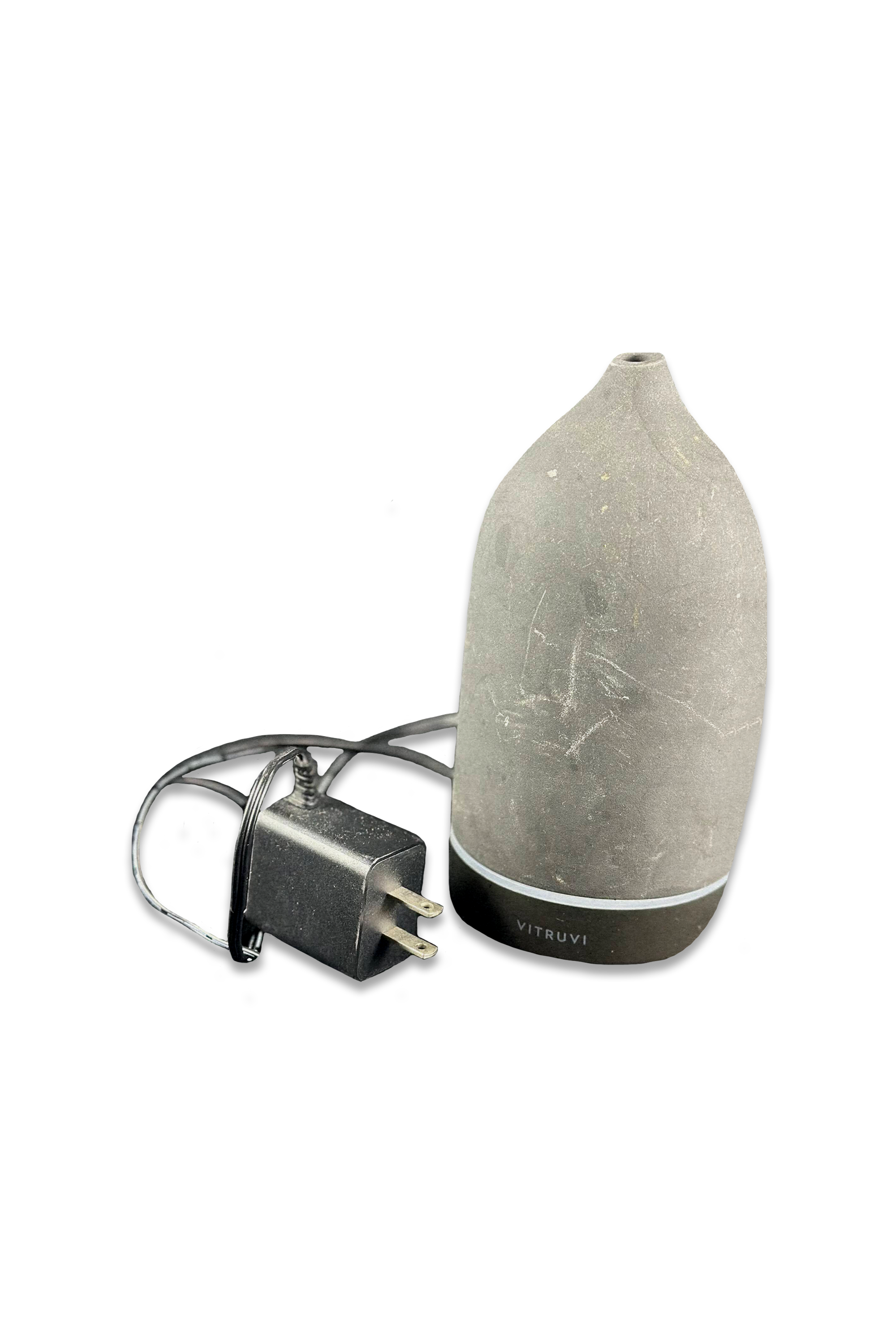
ITEM #T007 : "Essential Oil Diffuser" (2022)
-
This is a shit product I purchased on Jeff Bezos’s internet with my Prime account. It broke within the first year of purchase, seemingly designed to be replaced.
It came in plastic packaging with paper, bubble wrap, and lots of cardboard. Delivered within 24 hours, it was soon returned to the landfill with their family of waste and wasted materials. But I thought I needed it; I needed an essential oil diffuser to be well—that was the external condition I could muster for self-care.
Self-care isn’t sold on Amazon?
-
CAPITALISM / CONSUMERISM
A religion built on the relentless pursuit of profit, where human worth is often measured by material possessions, and success is equated with consumption. This category highlights the violence, exploitation, and environmental destruction inherent in consumer-driven economies. The insatiable demand for more—more products, more resources, more wealth—leads to a cycle of overproduction and waste that benefits the few while exploiting the many.
-
This trash may conflate wellness with next-day delivery.

ITEM #T008 : "ASOS shirt; STAUD skirt; H&M dress" (2018)
-
To always look the part, trash has become available to order in unlimited styles and fast fabrics: shiny, flammable, knitted, and even plastic/vegan trash. Labeled as convenient outlets for finding luxury styles for 'less,' this trash is addictive, manipulative, and duplicative.
It fosters a dangerous delusion—the belief that we need more clothing for every occasion: parties, funerals, weddings, dates, interviews, presentations, baby showers, vacations, beach days, putt-putt golf tournaments, and the Houston rodeos. Maybe we need to care a little less and IG and Tik Tok, and lean into exercises in socialism and sustainability, like thrift stores, clothing swaps, and wearing the clothing we already have.
-
CAPITALISM / CONSUMERISM
A religion built on the relentless pursuit of profit, where human worth is often measured by material possessions, and success is equated with consumption. This category highlights the violence, exploitation, and environmental destruction inherent in consumer-driven economies. The insatiable demand for more—more products, more resources, more wealth—leads to a cycle of overproduction and waste that benefits the few while exploiting the many.
-
This trash may unravel your connection with Mother Earth.

ITEM #T009 : "‘The Renaissance World Tour’ Club Renaissance VIP Tickets ($800); Beyonce on the cover of Essence, March 2024 ($8); Nourishing Hair Oil, Cecred ($44)" (2023, 2024)
-
Angela Davis said that 'Black capitalism is the notion that the accumulation of wealth will solve the problems of the Black community,' a definition that captures the neurosis of our era—a lie that $100 whiskey, $45 hair oils, and $800 concert tickets are progressively bringing us closer to liberation.
Black billionaires do not make my neighborhood safer, nor do they shift policies to alleviate my student loan debt or address systemic tragedies like the murder of Black women, femmes, and trans people.
Beyoncé’s billions do nothing for me, but they do a lot for her. She has promised that generations of her family will be unbelievably wealthy while we gather our pennies for healthcare and groceries.
Maybe us broke bitches wouldn’t understand.
-
BAD BEAUTY
Societal norms and ideals rooted in Eurocentric aesthetics that dictate what is considered attractive, beautiful, or desirable. These standards prioritize light skin, straight or wavy hair, narrow facial features, and thinness.
This dangerous obsession with conforming to these standards perpetuates self-rejection, discrimination, and a cycle of beauty practices that harm both physical and mental health. bad beauty emphasizes the erasure of diverse, non-white expressions of beauty, leading to a homogenized, oppressive standard with which we hold ourselves and each other.
CAPITALISM / CONSUMERISM
A religion built on the relentless pursuit of profit, where human worth is often measured by material possessions, and success is equated with consumption. This category highlights the violence, exploitation, and environmental destruction inherent in consumer-driven economies. The insatiable demand for more—more products, more resources, more wealth—leads to a cycle of overproduction and waste that benefits the few while exploiting the many.
-
This trash may cause a color complex.
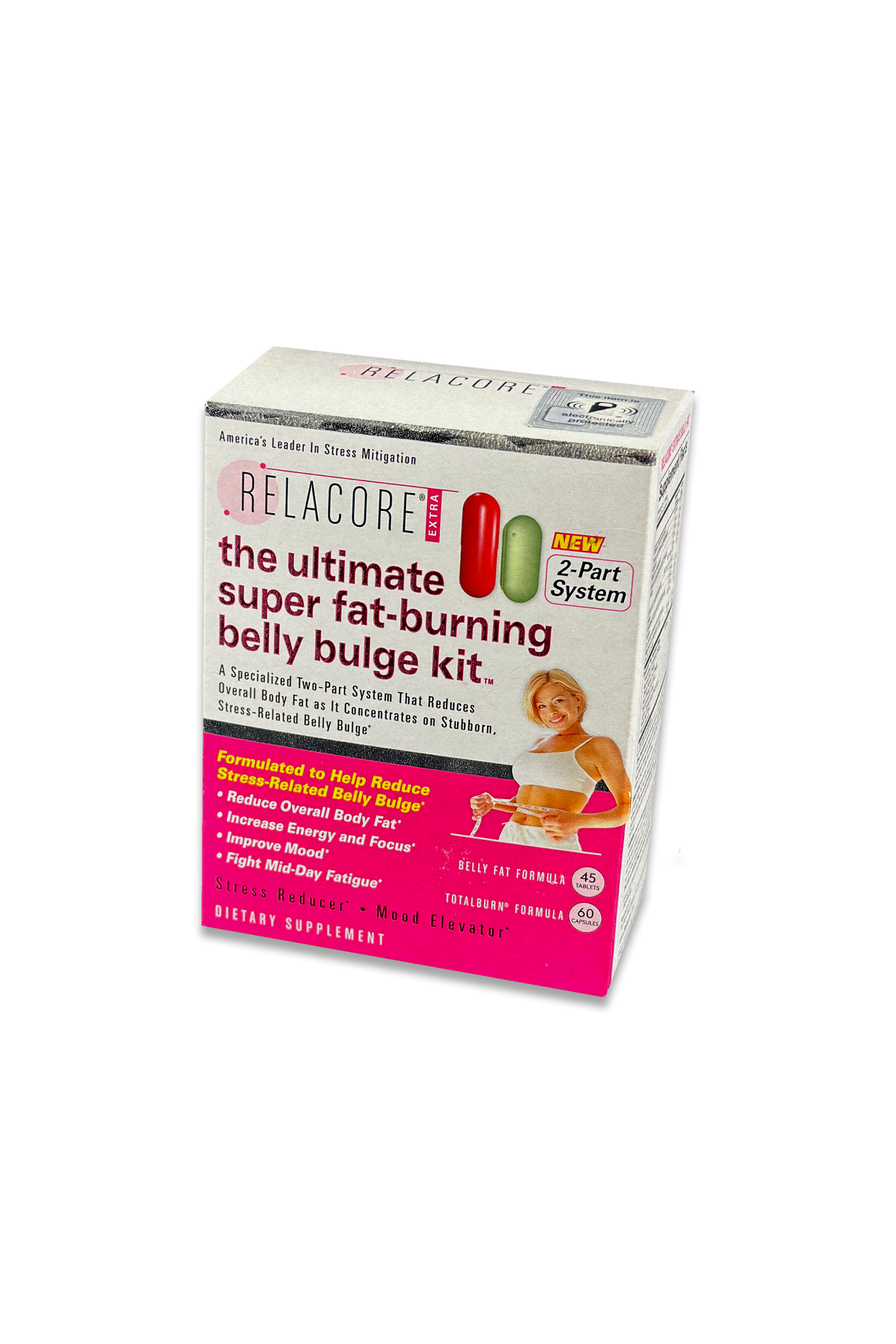
ITEM #T010 : "Relacore: The Ultimate Super Fat-Burning Belly Bulge Kit" (2017)
-
To be thin is (not) to be;
good,
kind,
beautiful,
patient,
intelligent,
funny,
creative.
To be thin is to be thin.
A body (that will eventually decompose) is thin.
May this mean something, again.
-
BAD BEAUTY
Societal norms and ideals rooted in Eurocentric aesthetics that dictate what is considered attractive, beautiful, or desirable. These standards prioritize light skin, straight or wavy hair, narrow facial features, and thinness.
This dangerous obsession with conforming to these standards perpetuates self-rejection, discrimination, and a cycle of beauty practices that harm both physical and mental health. bad beauty emphasizes the erasure of diverse, non-white expressions of beauty, leading to a homogenized, oppressive standard with which we hold ourselves and each other.
-
This trash may cause plastic surgery.
In March 2023, I traveled to Paris, where human and animal feces smeared the streets.
Paris was burning.
I didn’t take the time to comprehend why trash was piling up and stinking up the City of Lights and 'love,' but I did enjoy the chaos it inflicted on a place that I found remained committed to anti Blackness. Seeing the French navigate their precious city, now losing in a coup d'état to 10-foot-high piles of waste, was healing for me. The irony was that I’d inherited so much trash from the French, and they could not reconcile their own shit for months.
I was pleased.
See, I was born in a city within a country within a continent that had been divided, exploited, and left for dead by colonizers from France, England, Portugal, Italy, and Germany. I was born into a white man’s wet dream that did not offer me gold, timber, or ivory from the land of my ancestors, but instead tossed me white supremacy, capitalism, elitism, and environmental degradation as a value system.
The colonizers left their subjects the worst type of inheritance: inferiority. The colonial project created laws, policies, cultural norms, and hierarchies that told us being Black, poor, ‘ugly,’ uneducated, and queer were reasons for our exploitation and denigration. And today, most of us from these colonized lands still believe in this trash—that being Black, poor, 'ugly,' uneducated, and queer is to be reversed with bleaching creams, college degrees, plastic surgery, weight loss, and Jesus.
Now, can we wake up from the wet dream?
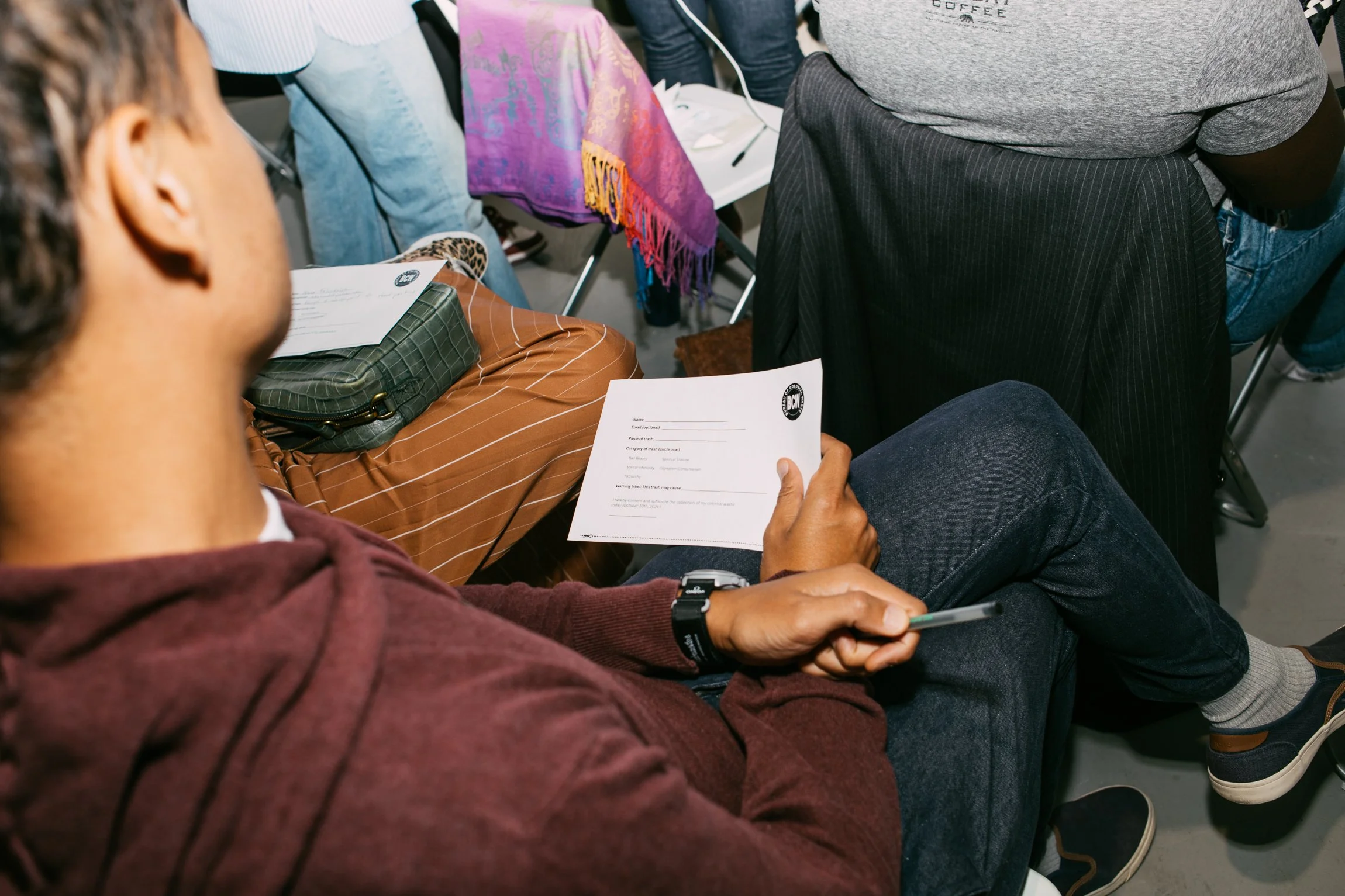
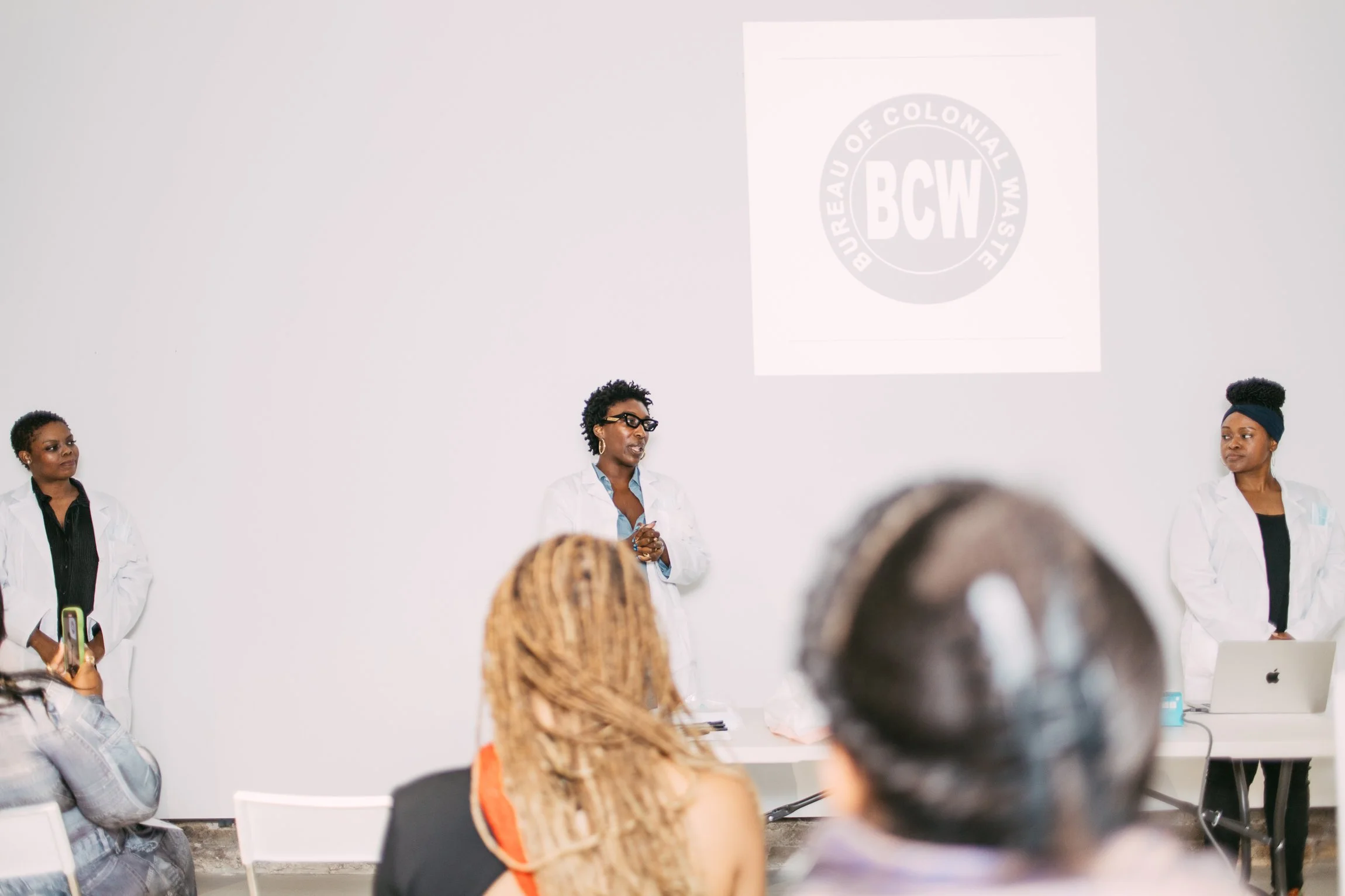
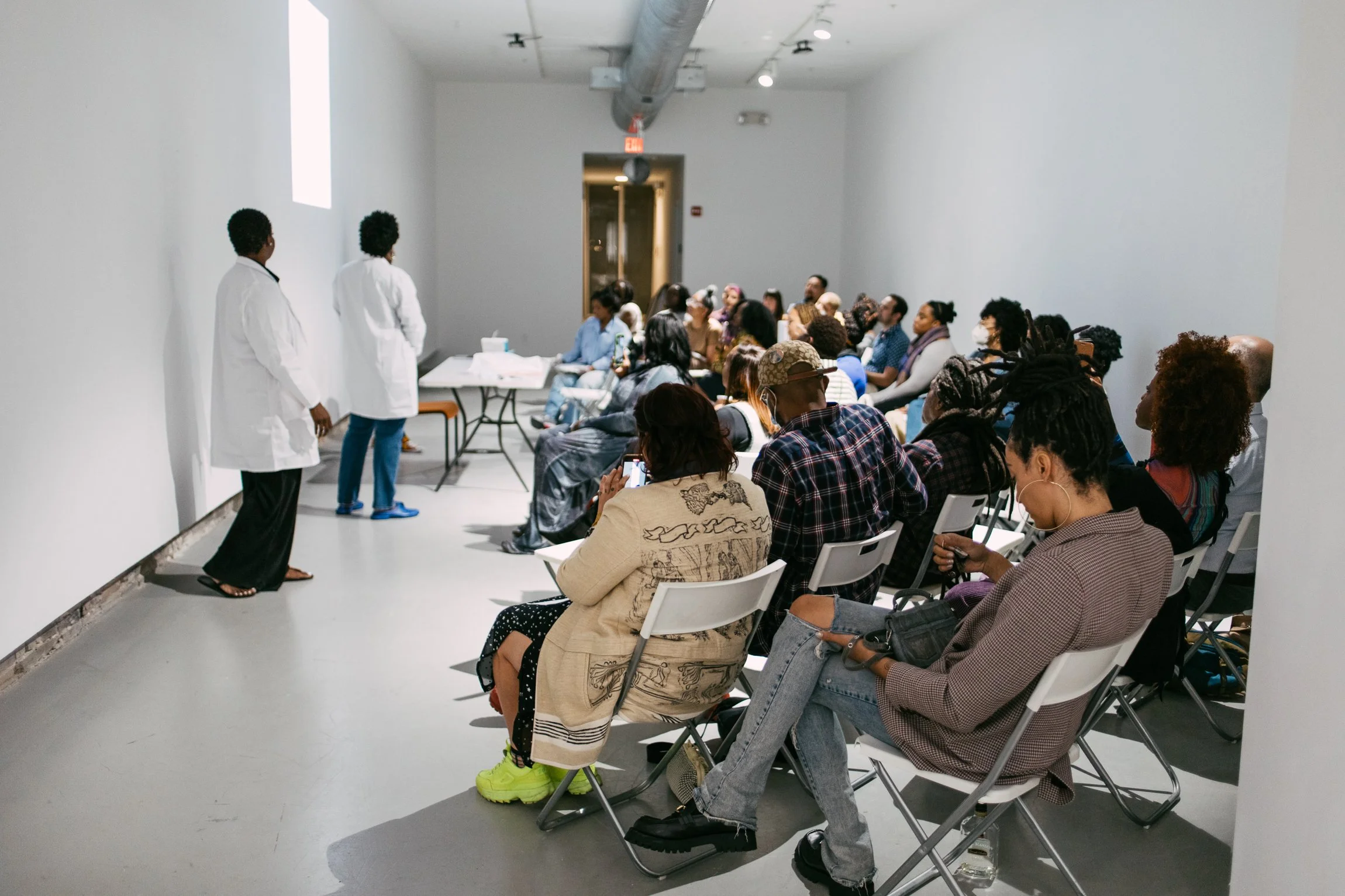
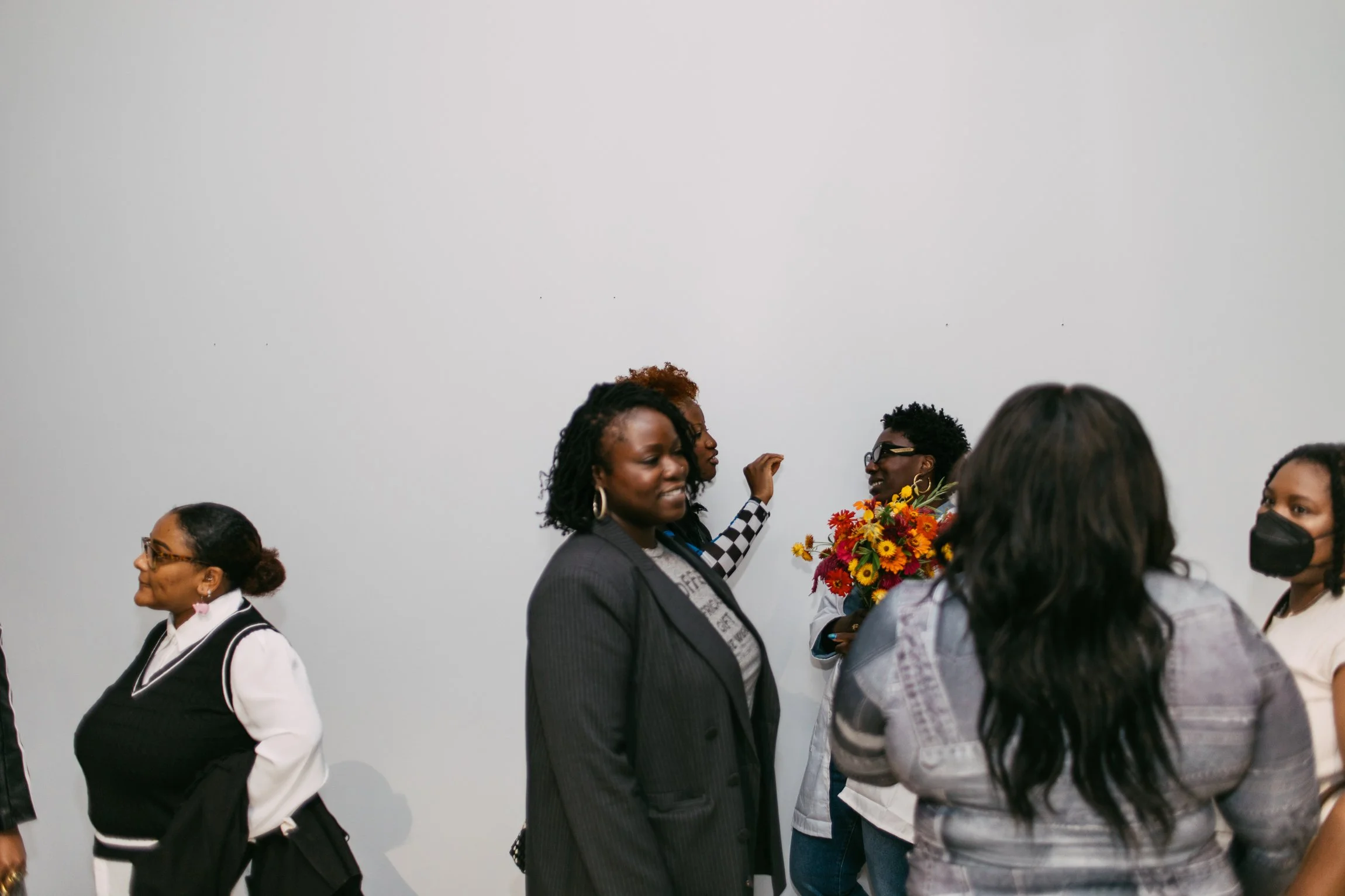
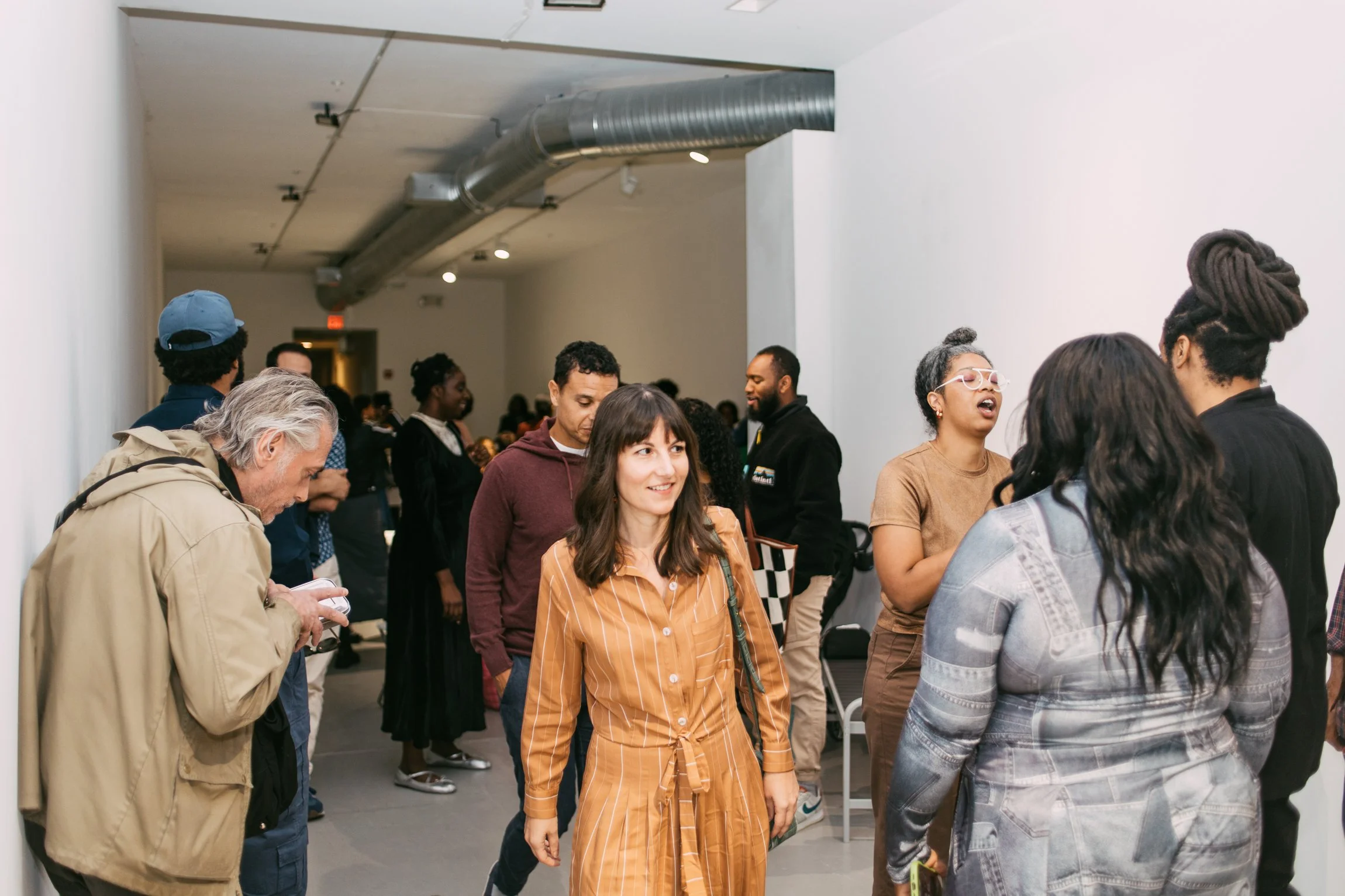
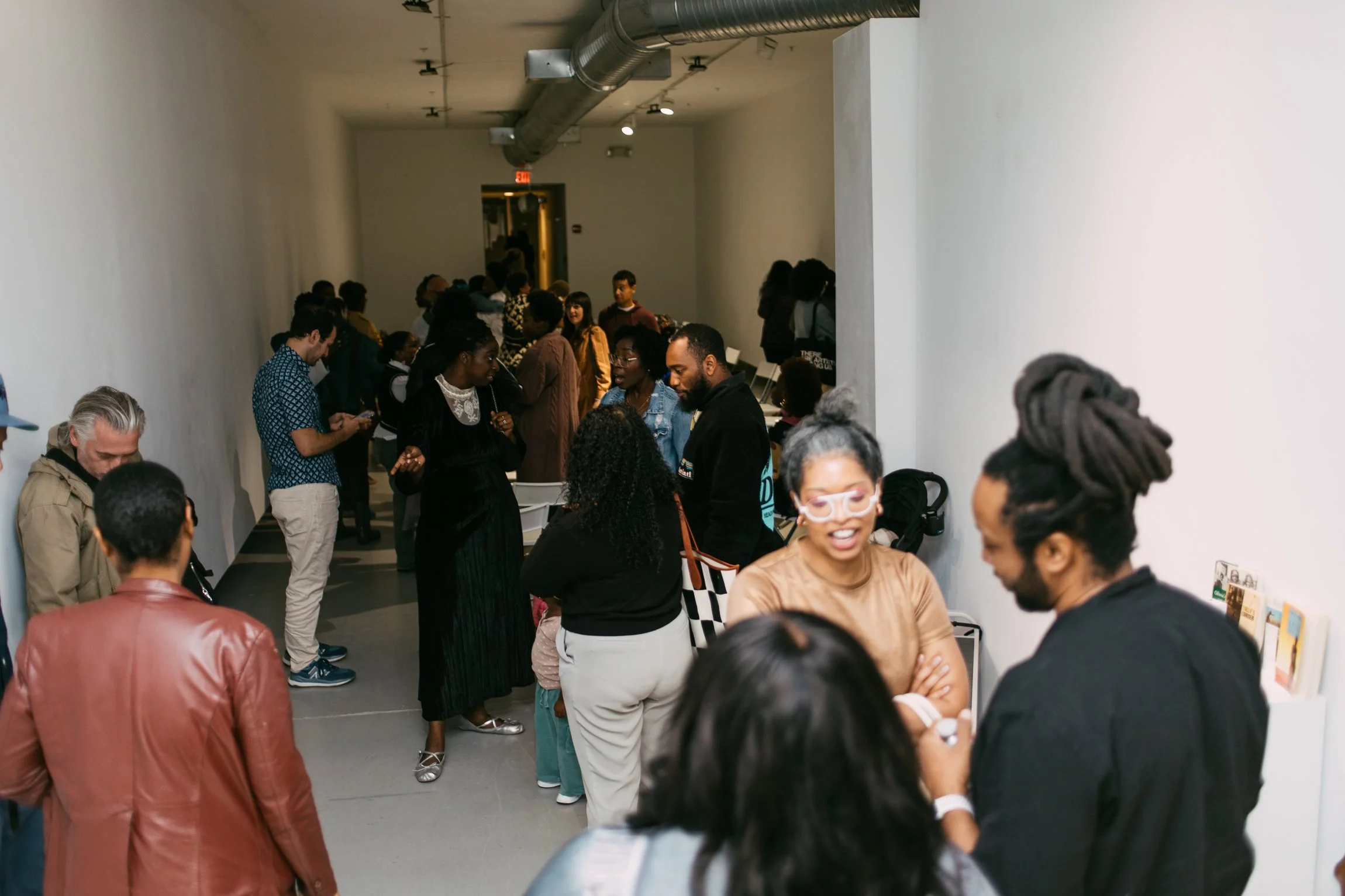
In this piece, I break down the trash mindsets, complexes, habits, ideologies, concepts, perspectives, and words I/we have inherited from white colonial settlers globally. I want to share my ongoing journey to decolonization, framing my mind and body as primary sites for healing. I use a 'database' of physical objects as personifications of larger colonial contradictions that my mind and body engage with daily—like adoring the artistry of Beyoncé while becoming repulsed by, with, and for the insatiability of Black capitalism.
I argue that, as a result of being born into a system of white supremacy, it is our everlasting work to accept ourselves—spirits and bodies—as more than sites for transformation into the image of the colonizer. I want this piece to serve as a reminder that we are more than money, light skin, designer clothing, thin waists, and degrees from racist institutions of higher 'learning.' We’re spirits, and we’re healing from generations of colonization, but perhaps the first step is recognizing that this trash was never ours to begin with.
The work is cleaning the dirt off the gold.
Waking from the colonizer's wet dream is an alchemy of spirit, transforming inherited trash into freedom, like not caring what others think of your community college degree or accepting your stretch marks. As you navigate this journey, look closely at the remnants of colonialism embedded in your life—those feelings of inferiority, consumerist obsessions, and spiritual erasures. Notice when you’re seeking external things to make something feel better inside; notice when you are praying for a particular outcome and not the ability to accept whatever comes your way.
That may point to trash that has attached itself to you!
These mental exercises of trash excavation, though seemingly burdensome, are opportunities for profound transformation into someone who will no longer be controlled and triggered. Just as gold covered in mud and dirt still holds its value, our inherent worth remains intact despite the colonial debris we’ve inherited. By cleaning up the mental and emotional residue of colonialism, we uncover that many of the ideas that make us feel the worst are actually curdled, decaying, molding vestiges of a white man’s colonial mind, a mind that wanted us to forever feel inferior, scared, and gasping for acceptance.
I hope this helps those who wonder where their trash came from.